
Practical advice for a smoother journey
Greek Island Hopping Guide
Choose a sensible route, understand the connections and leave enough time to enjoy each island properly.
How to choose the right islands
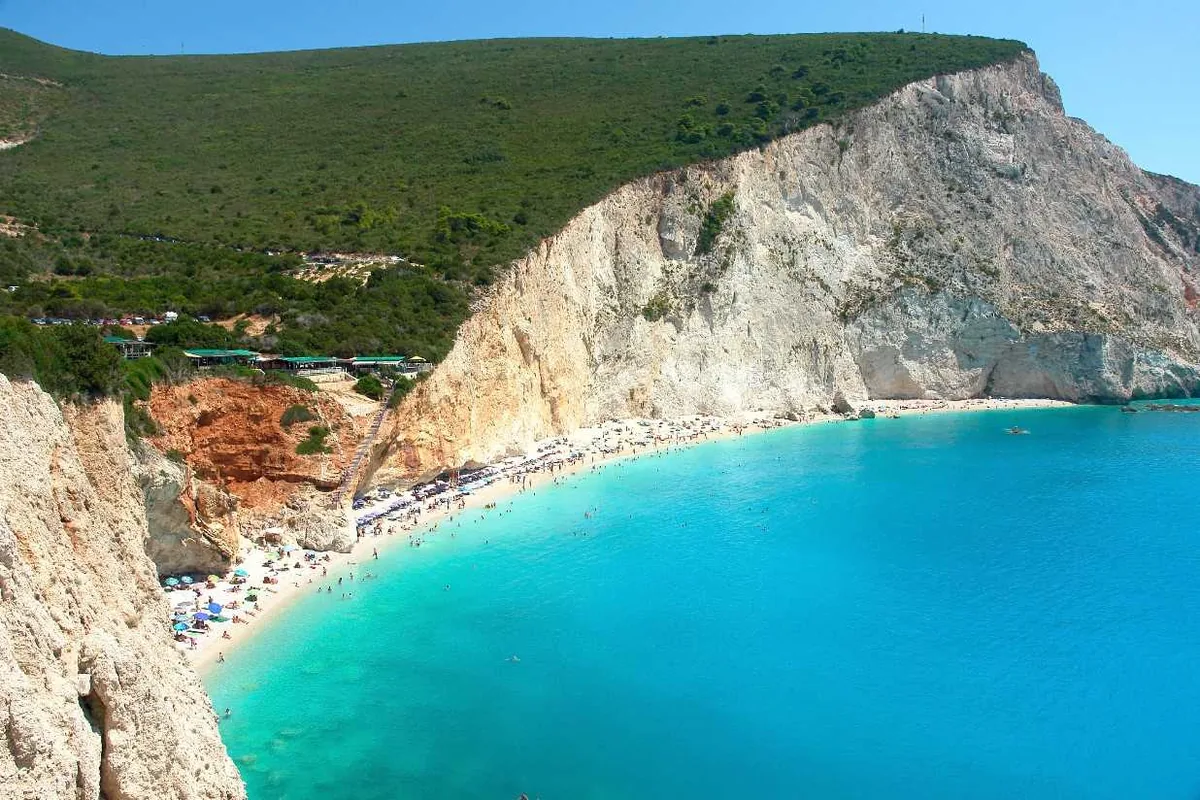
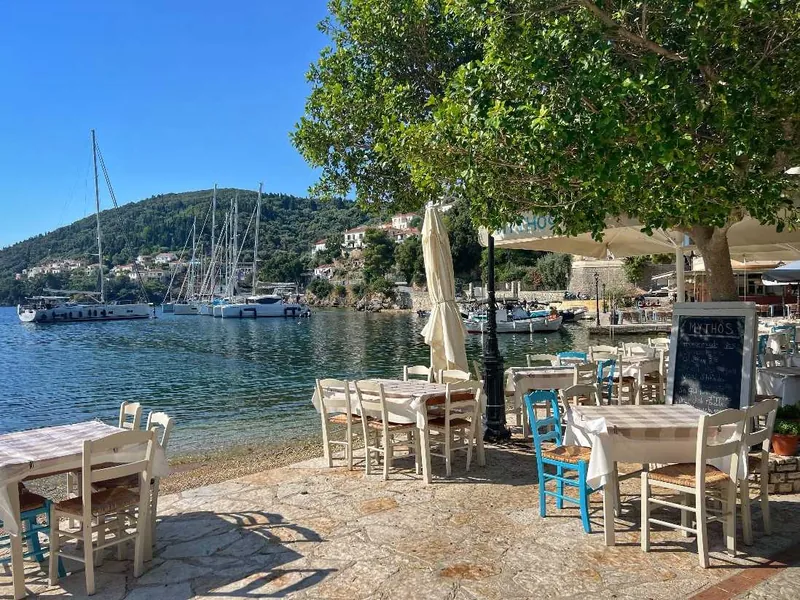
Start with the experience you want. If white villages and an active ferry network appeal, look at the Cyclades. For green scenery and sheltered bays, consider the Ionian islands. The Sporades suit beaches, pine forests and a route that becomes progressively quieter. The Dodecanese combines historic towns with colourful harbours and smaller islands.
Also think about scale. A large island such as Crete, Corfu or Kefalonia can fill a week easily. A smaller island may feel complete after four or five nights, or it may tempt you to stay longer precisely because there is less pressure to sightsee.
Choose islands for contrast, but avoid combining places simply because they look close. The ferry route matters more than the distance shown on a map.
Planning a sensible route
Stay within a workable corridor
Established groupings are the safest starting point. Paros and Naxos combine more naturally than two islands on opposite sides of the Cyclades. Skiathos, Skopelos and Alonissos form a clear Sporades route. Rhodes and Kos act as gateways to different parts of the Dodecanese.
Decide where to fly
Some islands have direct or connecting international flight options, while many smaller islands rely on a ferry from a gateway. Your arrival and departure airports can determine the most efficient order. Arriving through one airport and returning from another may occasionally be possible but must be priced and confirmed.
Do not overfill the itinerary
Every move takes time: checking out, reaching the port, waiting, sailing, transferring and settling in again. Two islands in ten nights or three in fourteen often feels more satisfying than changing base every two or three days.
Flights and ferries
Flight schedules are often available before complete seasonal ferry timetables. Early proposals may therefore use expected operating patterns and need adjustment when final ferry schedules are published.
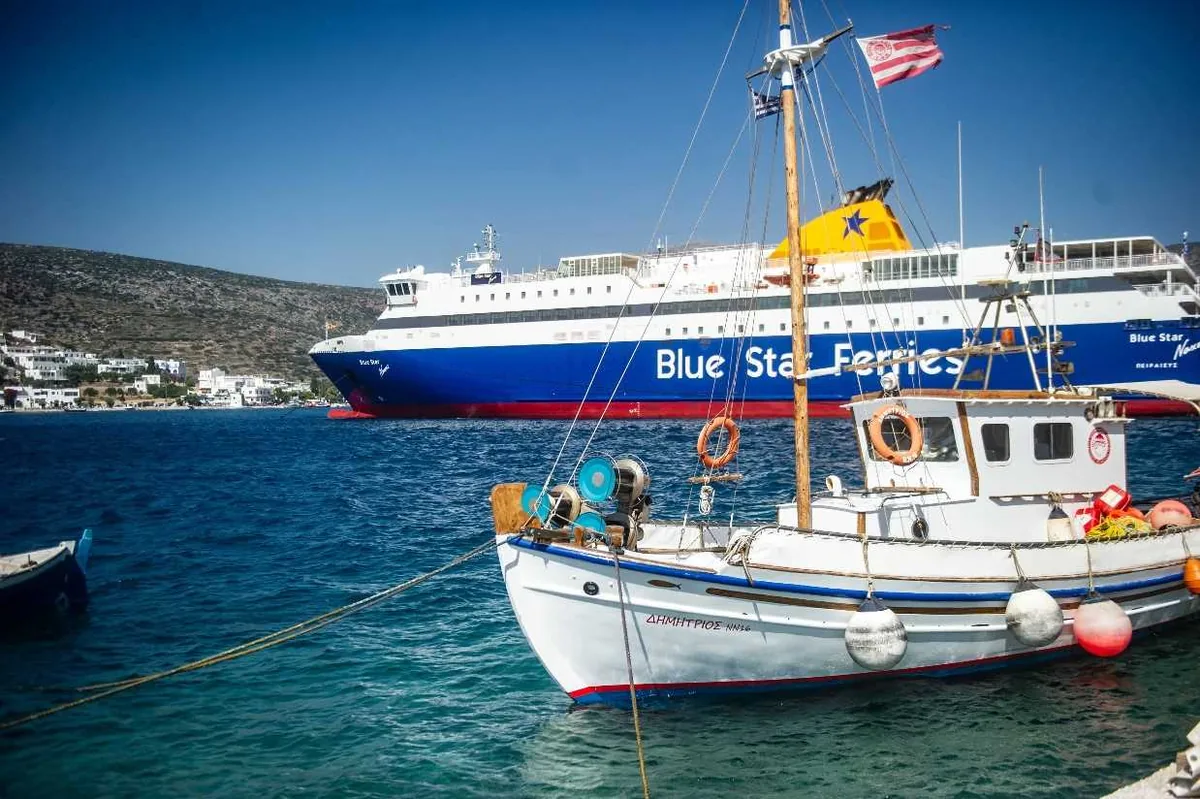
Ferries range from larger conventional ships to faster vessels and local boats. The experience, luggage arrangements, seating and facilities vary. Some tickets specify allocated seats or a class of travel; others are more informal. Your confirmed documents will explain the booked service.
Do not assume that a ferry runs daily, calls at the same port every time or maintains the same timetable throughout the season. Operating days and journey times must be checked for the actual travel date.
Ports and transfers
An “island transfer” can involve several stages: airport collection, road transfer to a port, ferry journey and onward transfer to the accommodation. Some islands have more than one port, and the correct port may depend on the route or weather.
Where transfers are included, the arrangements will be stated in the confirmed booking. They may be private, shared or coordinated by a local partner. On smaller islands, assistance can be practical rather than formal; do not expect an escorted tour between every stage.
Keep important documents, medication and valuables with you rather than in luggage stored away from your seat.
How long should you stay?
There is no universal rule, but these planning ranges are useful:
- 2–3 nights: a gateway, city stay or compact introduction
- 4–5 nights: enough time for many smaller islands
- 6–7 nights: a relaxed stay or time to explore a larger island
- 10 nights: often well suited to two centres
- 14 nights: two islands at an easy pace or three with sensible connections
- 21 nights: a longer three or four centre journey, occasionally more when transport is especially straightforward
These are not promised package durations. Weekly flight patterns, particularly in the Sporades, may shape the actual options.
When is the best time to go?
Late spring and early autumn often provide warm weather with a calmer atmosphere than the busiest summer weeks. Sea temperatures, flight frequency, ferry services and the number of open restaurants can vary at the edges of the season.
July and August bring the greatest heat and demand. They are also associated with the Meltemi in the Aegean, a strong northerly wind that can cool hot days but may affect sea conditions and ferry operations. The Ionian has different local weather patterns, but no island route is immune to disruption.
The best month depends on the islands and your priorities. Walking and sightseeing may suit cooler periods; reliable beach weather and the broadest choice of services often point towards summer, although demand is greater.
Luggage for island hopping
Travel light enough to manage your own bag over ramps, quays and uneven surfaces. A medium suitcase with reliable wheels or a comfortable travel bag is usually easier than oversized luggage. You may need to place larger cases in a designated luggage area on the vehicle deck and retrieve them promptly when the ferry arrives.
Pack essentials in a small day bag:
- passport and travel documents
- medication
- phone, charger and power bank
- water and sun protection
- a light layer for windy areas or places with air conditioning
- swimwear or a change of clothes if accommodation access is later
Label every bag clearly. Exact airline and ferry luggage allowances depend on the booked operators and should be checked in your final documents.
What happens if a ferry is disrupted?
High winds, mechanical issues, port changes or revised timetables can delay or cancel services. A disruption does not always mean the entire holiday fails, but the itinerary may need to change.
Possible responses include moving a sailing, reversing the route, adjusting the number of nights, using a different port or adding an unscheduled overnight. Never make independent replacement arrangements without first following the assistance instructions supplied with your booking, as this can affect support and reimbursement.
The exact help available is governed by your supplier’s terms and the circumstances. Haley’s Holidays will remain your personal point of contact, while Sunvil and its local partners manage the applicable booked arrangements.
Frequently asked questions
Can I choose any combination of Greek islands?
You can suggest any islands, but not every combination is practical. Ferry routes, flight days and accommodation availability determine what can be arranged. Haley’s Holidays will explain alternatives if the first idea creates an unreliable or overly complicated journey.
Are ferries included?
They may be included in a personalised island hopping arrangement, together with specified transfers, but only the final quotation and booking documents confirm what you have purchased.
Are Greek ferries reliable?
They are an established part of travel in Greece, but schedules can change and weather can cause disruption. A carefully planned itinerary includes sensible margins and avoids fragile connections on the same day.
Will someone meet me at every stage?
Transfer and local assistance arrangements vary. Some transfers are met, others are shared or locally coordinated, and ferries are generally independent journeys. Your documents will set out the arrangements for each stage.
Can I island hop with children?
Yes, provided the route suits the family. Fewer moves, convenient ferry times and longer stays usually work better than an ambitious route through many islands. Discuss ages, luggage and preferred pace at the planning stage.
Can I hire a car?
Car hire can be useful on larger islands, but taking a hire car between islands is often restricted or impractical. It is usually better to arrange separate car hire where needed. Licence, age, insurance and local terms apply.
How far ahead should I book?
Earlier planning gives more accommodation and flight choice, particularly for small islands and peak dates. Ferry timetables may not yet be final, so an early route can still require later operational adjustments.
Should I spend my final night near the airport?
Often this is the safest choice when the flight depends on a ferry from another island. The need depends on the route, sailing reliability and flight time. Haley’s Holidays will consider this when shaping the itinerary.
Is island hopping suitable if I have reduced mobility?
It can be, but ports, ferry ramps, steps, cobbled lanes and uneven surfaces vary considerably. Share specific mobility requirements before booking so the route, accommodation and transfers can be assessed. Suitability must be confirmed rather than assumed.
Ready to plan your route?
Tell Louise your preferred dates, duration, departure airport and the islands that appeal to you. If you are unsure, describe the experiences you want and Haley’s Holidays will help narrow the choice before checking a workable itinerary.
Personal planning with Louise
Let’s shape your Greek island journey
Share your dates, preferred departure airport, approximate duration and the places or experiences that appeal to you. It is fine if you are still deciding; Louise will help narrow the choices and arrange for the practical details to be checked.